

15 Autumn Romances with Soul, Shadows, and Second Chances
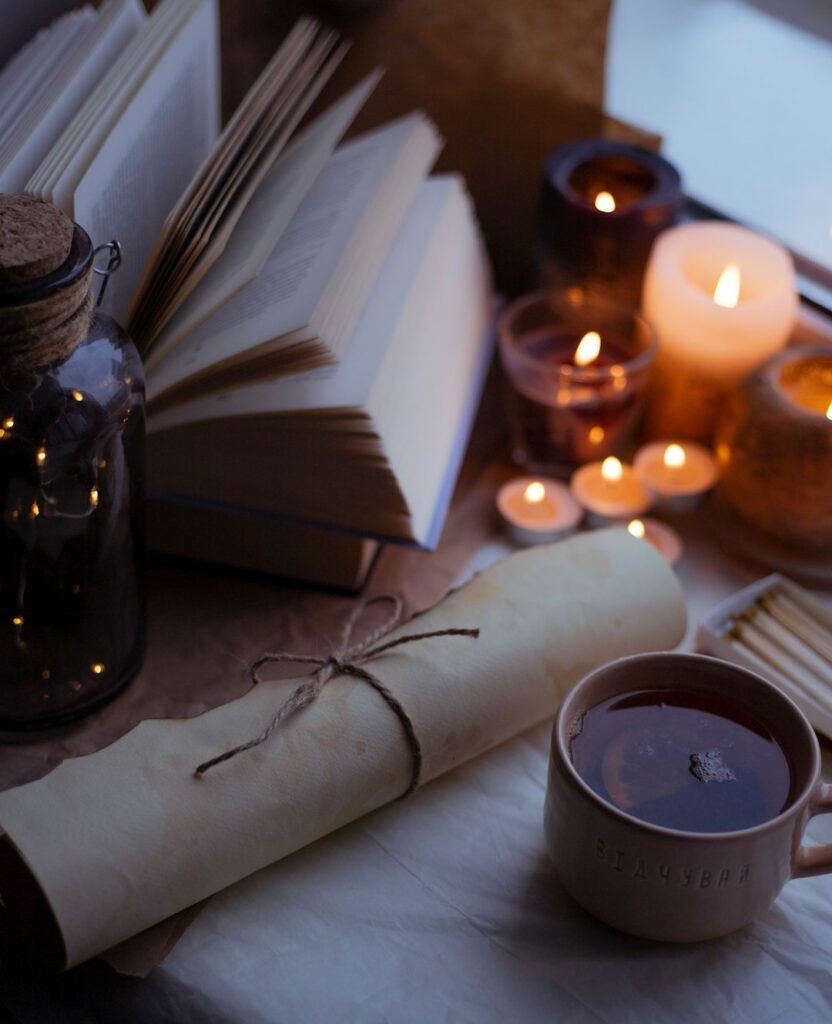
There’s something about autumn that makes us crave stories that feel alive — the kind of books that smell like rain-soaked pages, taste like cider, and leave your chest a little fuller when you’re done. As the air turns colder and the light grows gold, I reach for the stories that remind me what it means to fall — not just in love, but into feeling.
This is a collection of romance books for fall that aren’t afraid of depth.
They’re tender, haunting, and beautifully human — stories of healing, rediscovery, and connection that linger long after the last page turns. Some are cozy and candlelit; others are dark, brutal, and transformative. But every one of them captures the heartbeat of autumn: change, courage, and love that refuses to fade.
So light a candle, pour something warm, and settle into these fifteen stories that will hold your heart in their hands — gently, fiercely, and completely.
Because cozy doesn’t always mean easy — sometimes warmth has to fight through the cold.
🍁 Table of Contents
Love That Lingers: 15 Books for Fall — Cozy, Dark, and Deeply Human
By Sydney Rosplock | The Narrative Affair
Each story below carries its own kind of warmth and weight. Some are soft, some are shadowed — all of them explore the many ways love can heal, haunt, and remake us.
Trigger warnings are listed beneath each to help readers navigate safely.
1. A Pack for Autumn — Emilia Emerson
Gentle, healing omegaverse set by the sea; chronic illness and tenderness meet found family.
Trigger Warnings: chronic pain, medical trauma, mild PTSD, references to past abuse, mental health themes.
2. A Discovery of Witches — Deborah Harkness
Scholarly gothic romance where magic meets academia and forbidden love becomes destiny.
Trigger Warnings: violence, blood imagery, mild sexual content, academic power imbalance, historical misogyny.
3. Underneath the Sycamore Tree — B. Celeste
A breathtaking contemporary about chronic illness, grief, and love that defies mortality.
Trigger Warnings: terminal illness (lupus), death of a sibling, grief, hospital scenes.
4. Love and Other Words — Christina Lauren
A tender, dual-timeline second-chance romance built on childhood friendship and lost love.
Trigger Warnings: grief (loss of parent), miscommunication, sexual situations, emotional trauma.
5. The Dead Romantics — Ashley Poston
A ghostwriter rediscovers love — and belief in life — through grief, ghosts, and storytelling.
Trigger Warnings: death of a parent, grief, funeral settings, mild panic attacks.
6. Hidden Waters — Catherine Cowles
A trauma survivor learns to trust again in a small town where safety becomes love.
Trigger Warnings: emotional abuse, captivity, PTSD, trauma recovery, mild violence.
7. Easy — Tammara Webber
A deeply empowering college romance about consent, assault recovery, and finding safety in love.
Trigger Warnings: sexual assault (on-page), attempted rape, PTSD, trauma discussion, violence, alcohol use.
8. Dirty Letters — Vi Keeland & Penelope Ward
Epistolary slow-burn about two broken souls reconnecting through letters and laughter.
Trigger Warnings: grief, anxiety, agoraphobia, panic attacks, sexual content, emotional trauma.
9. Riot House — Callie Hart
Dark academia meets emotional chaos — toxic passion, rebellion, and vulnerability in ruin.
Trigger Warnings: bullying, violence, emotional manipulation, suicidal ideation, sexual content, toxic relationships.
10. For the Wolf — Hannah Whitten
A gothic fairy-tale retelling about sacrifice, self-discovery, and devotion in a haunted forest.
Trigger Warnings: blood magic, violence, religious trauma, confinement, light horror imagery.
11. Still Beating — Jennifer Hartmann
A raw, devastating story of trauma, captivity, and love found in impossible aftermath.
Trigger Warnings: kidnapping, sexual assault (off-page), captivity trauma, PTSD, grief, guilt, dark romance themes.
12. Divine Rivals — Rebecca Ross
WWI-inspired romantic fantasy told through magical letters between rival journalists.
Trigger Warnings: war violence, loss of family, death, grief, mild religious themes.
13. The Serpent and the Wings of Night — Carissa Broadbent
A human competing in a deadly vampire tournament learns that love can be her undoing.
Trigger Warnings: graphic violence, blood, death, forced combat, emotional trauma, sexual content.
14. Haunting Adeline — H.D. Carlton
A dark gothic descent into obsession, control, and reclamation — not for the faint of heart.
Trigger Warnings: stalking, kidnapping, sexual assault (on-page), violence, trauma, psychological manipulation.
15. Archer’s Voice — Mia Sheridan
A profoundly healing love story between a woman seeking peace and a man who cannot speak.
Trigger Warnings: trauma, parental death, past sexual assault (referenced), grief, anxiety.
🕯️ Content Note:
These stories explore love in all its forms — gentle, dark, redemptive, and raw. Some may comfort you; others may challenge you. Take care of your heart while reading. It’s okay to pause, to skip, or to return when you’re ready.
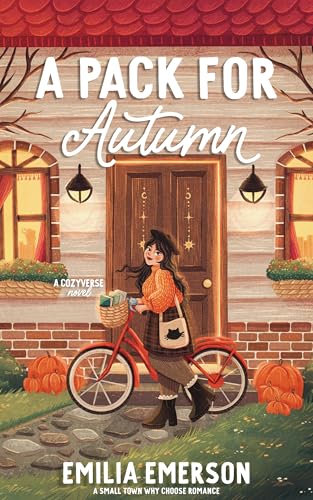
🕯️ 1. A Pack for Autumn — Emilia Emerson
Spice: 🌶️🌶️🌶️🌶️ (4/5) Plot: 4.5/5 Characters: 5/5 Overall: c (4.7/5)
GoodReads Review: ★★★☆☆ (3.87/5)
Emilia Emerson takes what could’ve been an overused trope — the omegaverse pack romance — and turns it into something achingly human.
Olive Autumn Harvest moves to a seaside lighthouse seeking silence, escape, and recovery from chronic pain and emotional exhaustion. But what she finds instead is companionship: slow, patient, and deeply healing.
Where this book shines is in its emotional intelligence. Emerson doesn’t rush love; she nurtures it. Each relationship forms like a tide: gentle, persistent, and inevitable. The intimacy isn’t just physical; it’s spiritual. Olive’s body and heart both heal through tenderness rather than dominance, and that’s what makes the story feel so revolutionary within its subgenre.
The spice is sensual and meaningful, less about heat, more about safety and connection. And the prose? Smooth as sea glass. You can practically hear the waves against the cliffs and feel the ache of loneliness giving way to warmth.
If you love stories about recovery, found family, and learning that softness is strength, this book will wreck and restore you.
“Healing isn’t quiet, it’s just gentle.” — a line that could describe the entire book.
Perfect for readers who: crave deep emotional arcs, slow-burn found-family love, and seaside melancholy wrapped in sensual warmth. Pumpkinspice and autumn delight!
🍷 2. A Discovery of Witches — Deborah Harkness
Spice: 🌶️🌶️🌶️ (3/5) Plot: 5/5 Characters: 5/5 Overall: ★★★★★ (5/5)
GoodReads Review: ★★★★☆ (4.02/5)
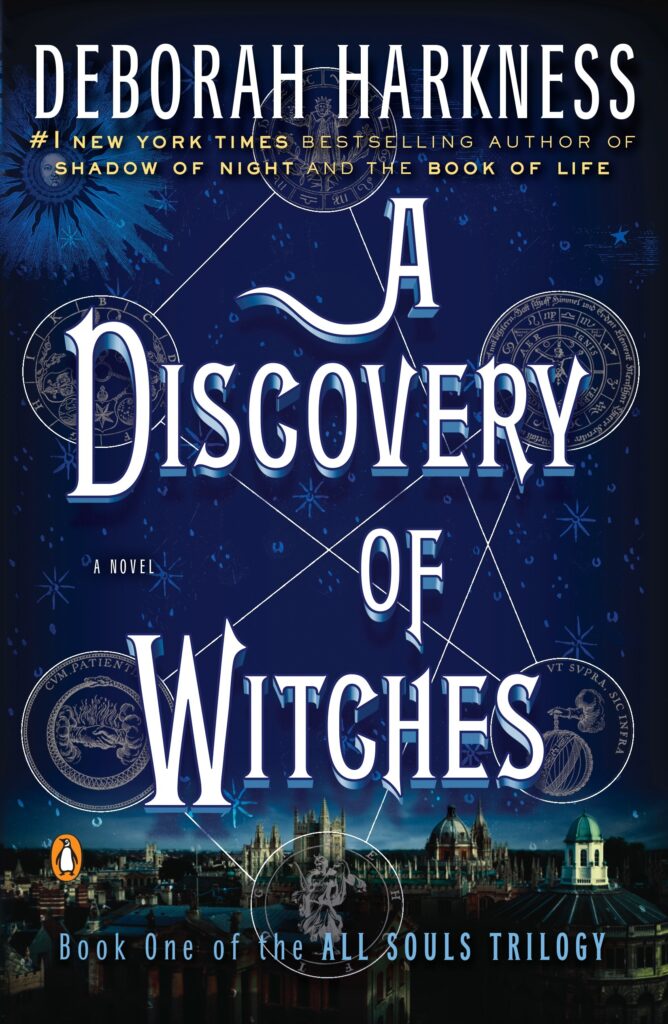
If A Pack for Autumn is the sound of waves, A Discovery of Witches is the creak of an old library chair. Deborah Harkness crafts an atmospheric masterpiece ;a romance that feels academic, ancient, and alive with forbidden energy. It is a perfect read for the autumn months.
Diana Bishop, a historian and reluctant witch, accidentally summons an enchanted manuscript hidden in Oxford’s Bodleian Library — a book that could unravel the truth about all supernatural creatures. Her discovery draws the attention of Matthew Clairmont, a centuries-old vampire whose intellect matches hers stroke for stroke.
The two fall into a love that’s both cerebral and primal. Their romance is a slow burn wrapped in candlelight and Latin manuscripts — equal parts danger and devotion. Matthew’s restraint, paired with Diana’s awakening power, creates tension that hums like a heartbeat.
Harkness’s worldbuilding is breathtaking. She blends academia, myth, and sensuality so seamlessly that reading it feels like stepping through a misted archway into another world. The pacing is deliberate — each chapter steeped in historical detail and emotional resonance.
The spice level sits at a simmer, never gratuitous, always earned. The romance burns in glances, restraint, and touch that feels centuries overdue.
Beyond the supernatural intrigue, this book is about knowledge as power — about owning who you are even when the world wants to contain you. Diana’s evolution from denial to full self-acceptance mirrors the season of autumn itself: letting go to reveal what’s underneath.
Though Diana and Matthew are well into adulthood — scholars with decades (and centuries) of experience behind them — their love story resonates far beyond their years. There’s something profoundly youthful in the way they rediscover curiosity, wonder, and connection.
Harkness writes with such emotional precision that the book never alienates younger readers; instead, it invites them to see maturity not as an ending, but as another kind of beginning. A Discovery of Witches reminds us that longing, courage, and self-discovery aren’t bound by age — they’re lifelong acts of becoming.
“It begins with absence and desire. It begins with blood and fear. It begins with a discovery of witches.”
Perfect for: readers who adore dark academia, supernatural slow burns, and love stories that feel both historical and eternal.
Aesthetic: old books, flickering candlelight, wool coats, and secrets whispered in libraries. Autumn at its finest.
🌳 3. Underneath the Sycamore Tree — B. Celeste
Spice: 🌶️🌶️🌶️ (3/5) Plot: 4.8/5 Characters: 5/5 Overall: ★★★★☆ (4.8/5)
GoodReads Review: ★★★★☆ (4.12/5)
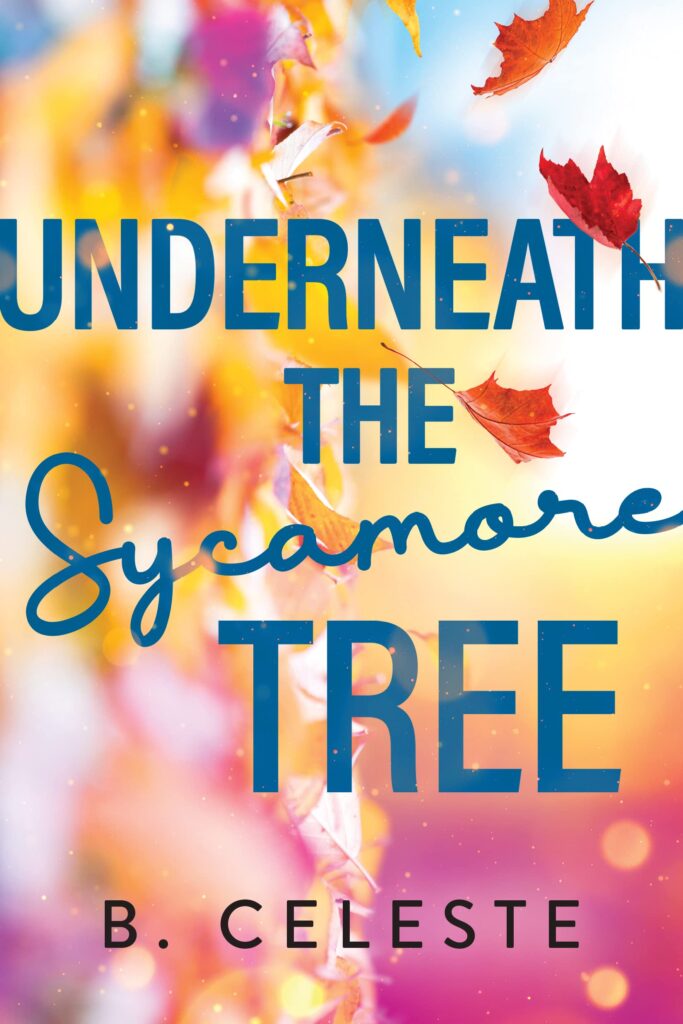
Some stories hurt to read, but you need them anyway. Underneath the Sycamore Tree is one of those stories. It’s raw, real, and breathtaking in its honesty.
Emery is a girl whose body has betrayed her; lupus slowly taking what youth promises. When she moves in with her estranged father and his new family, she’s already learned to expect disappointment. Then comes Kaiden (her new stepbrother’s best friend), a boy who wears his own pain quietly. What grows between them isn’t a conventional romance; it’s fragile, imperfect, and life-affirming.
B. Celeste writes with the intimacy of a diary and the power of a confession. Her prose is simple but devastating, letting emotion breathe through silence. The moments between Emery and Kaiden: the small touches, the lingering looks, carry more weight than any grand gesture.
The spice level here is emotional before it’s physical. When passion does come, it feels like an act of faith; two people daring to live in the present despite knowing how temporary everything is.
What makes this book unforgettable is how it reframes mortality. It doesn’t preach or pity; it acknowledges that love can’t cure illness, but it can make life feel worth living. Emery isn’t tragic, she’s luminous. Her story isn’t about dying beautifully; it’s about living bravely.
“Even dying things deserve to be loved.”
This is a book that will sit with you — quietly, like grief does — but leave you softer.
Perfect for: readers who want tear-stained realism, chronic illness representation, and love stories that honor pain without romanticizing it.
Aesthetic: fading sunlight through hospital blinds, flannel shirts, sketchbooks filled with unfinished dreams, the scent of rain on pavement, and autumn around the corner.
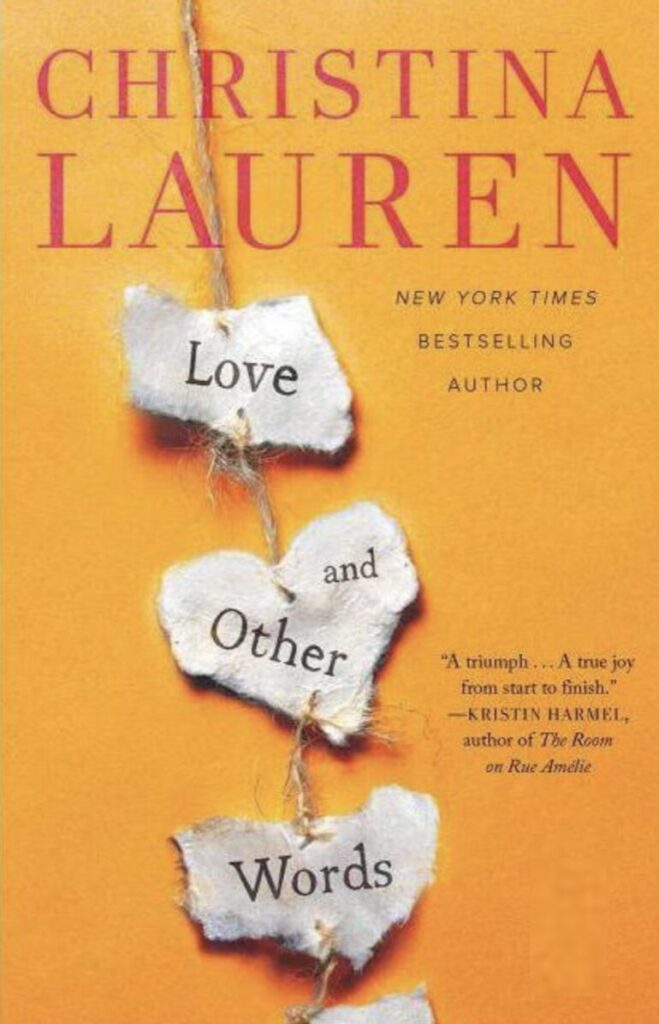
🍂 4. Love and Other Words — Christina Lauren
Spice: 🌶️🌶️🌶️ (3/5) Plot: 4.8/5 Characters: 5/5 Overall: ★★★★☆ (4.8/5)
GoodReads: ★★★★☆ (4.22/5)
Some stories read like memories — fragile, yellowed at the edges, familiar in ways you can’t quite explain. Love and Other Words is one of them.
Macy and Elliot’s story begins in a childhood bedroom lined with bookshelves. It’s here, between the spines of their favorite stories, that they fall in love with both words and each other. But what Christina Lauren (the writing duo) understands — and what gives this novel its devastating gravity — is that the language of love isn’t always enough to save it.
Told across dual timelines, the book oscillates between the innocence of youth and the cautious hope of adulthood. The before chapters glow with sunlight — laughter, slow discovery, whispered confessions — while the after is drenched in rainlight, a muted melancholy of what was lost.
The authors write emotional truth with the precision of memory. You can feel the ache between each page, the guilt of unspoken words, the fear of ruining something that once felt eternal. The writing is deceptively simple — clean, restrained — which makes the heartbreak hit harder.
The spice here isn’t indulgent; it’s intimate. Every kiss, every glance, every touch carries the weight of years. This isn’t passion born of impulse; it’s the collision of two souls who have been circling each other for a lifetime.
“Some loves are bookmarked, not finished.”
It’s not just a quote, it’s a thesis for the entire book. The best loves don’t always follow linear paths; sometimes they pause, wait, and return.
Though Macy and Elliot are in their thirties when they reunite, their story remains deeply accessible to younger readers because the emotions at its core — the terror of loss, the innocence of hope, the beauty of forgiveness — are ageless.
Love and Other Words reminds us that we are all fluent in longing, no matter how old we become.
Perfect for: anyone who still believes in second chances and wants to feel every heartbeat on the page.
Aesthetic: bare feet on wood floors, highlighted margins in paperbacks, the scent of vanilla and rain.
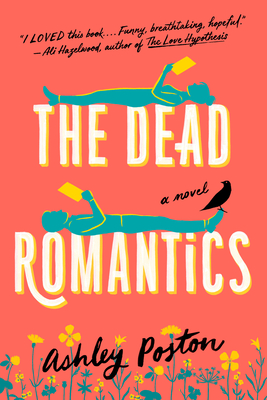
🕯️ 5. The Dead Romantics — Ashley Poston
Spice: 🌶️ (1/5) Plot: 4.6/5 Characters: 4.8/5 Overall: ★★★★☆ (4.7/5)
GoodReads: ★★★★☆ (4.7/5)
Some stories make you believe in love again. The Dead Romantics makes you believe in life again — even when it hurts.
Florence Day is a ghostwriter who’s lost faith in love — an irony not lost on her, considering she writes happily-ever-afters for a living. Her heartbreak has left her hollow, creatively and emotionally, until death — quite literally — comes knocking in the form of her editor’s ghost.
Ashley Poston has crafted something extraordinary: a love story that blurs the line between grief and magic, heartbreak and humor. It’s a book that walks hand in hand with loss, never pretending it’s easy, but always reminding you that pain and beauty coexist.
The writing is deceptively light :breezy dialogue, witty banter, and that signature Poston warmth — but beneath it lies an undercurrent of raw honesty. Every page hums with the ache of absence, that specific, quiet kind of mourning that lingers long after someone’s gone. Florence’s narration is sharp, self-aware, and profoundly relatable; she’s cynical but not unkind, broken but still searching.
“Grief is just love with nowhere to go.”
That single line is the heartbeat of the novel. Poston doesn’t treat grief as an ending, she treats it as a transformation. Florence’s journey isn’t about forgetting; it’s about remembering how to live with what you’ve lost.
The paranormal element feels like metaphor: ghosts as manifestations of memory, regret, and hope. And when romance blooms between Florence and the ghostly editor, it doesn’t feel absurd; it feels inevitable. It’s about connection that transcends boundaries, the way some souls recognize each other no matter what separates them.
The spice here is minimal. This isn’t a book that leans on physical intimacy, but on emotional resonance. The tension lives in the vulnerability of conversation, in the soft humor that follows sorrow, in the moment Florence realizes that even grief can be sacred.
Poston’s world is tinged with candlelight and nostalgia; a small Southern town filled with eccentricities and ghosts both literal and emotional. You can smell the honeysuckle, feel the dust of old funeral homes, and sense the weight of history in every scene. The spooky bite of autumn.
Though Florence is an adult navigating professional and personal loss, her story transcends age. Younger readers will see themselves in her uncertainty: that fear that maybe life won’t turn out the way you hoped. Older readers will feel the ache of recognition:that even when love ends, it still changes you.
The Dead Romantics is for anyone who’s ever lost someone, or something, and wondered how to move forward without erasing the past. It’s funny, heartbreaking, and profoundly tender — a story that insists that love and death aren’t opposites; they’re companions.
Perfect for: readers who love ghost stories with heart, grief-laced humor, and soft magic realism; fans of The Good Place and Emily Henry’s quieter moments.
Aesthetic: candlelit desks, wilted flowers in vases, the hum of a typewriter, ghosts smiling through tears. A spooky fun autumn;
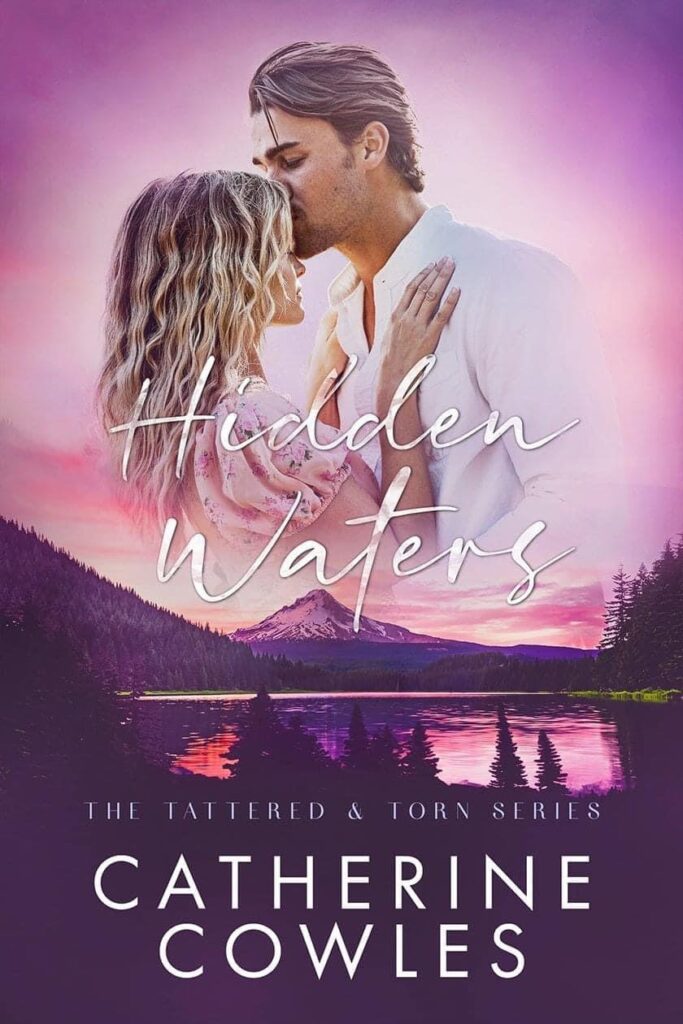
6. Hidden Waters — Catherine Cowles
Spice: 🌶️🌶️🌶️ (3/5) Plot: 4.6/5 Characters: 5/5 Overall: ★★★★☆ (4.8/5)
GoodReads: ★★★★☆ (4.18/5)
Some romances don’t shout. They whisper — steady, patient, like a river smoothing its stones. Catherine Cowles’ Hidden Waters is one of those rare stories that feels more like an exhale than an escape,gentle, restorative, and deeply human.
Addie had her voice stolen long before the story begins. Raised under emotional captivity, she escapes into a world she’s been taught to fear. Her trauma is quiet but relentless. She doesn’t trust freedom, doesn’t believe she deserves it. When Beckett, a small-town doctor haunted by his own guilt, enters her world, it isn’t fireworks that follow. It’s light, cautious, trembling, but real.
Cowles doesn’t rush their healing. She gives Addie space to unravel, to learn how to breathe in the presence of kindness. Every interaction between them feels sacred in its stillness. The author writes trauma with extraordinary tenderness, balancing honesty with hope. Addie isn’t “fixed” by love — she’s given the safety to heal on her own terms.
“You were never broken, Addie. You just needed someone to remind you how whole you’ve always been.”
That single line defines the entire book. Cowles understands that love stories rooted in trauma aren’t about rescue; they’re about recognition. Beckett doesn’t swoop in to save Addie, he stands beside her until she learns how to walk toward herself.
The spice level is moderate, but emotionally charged. Every kiss, every touch, feels intentional. The culmination of trust built molecule by molecule. It’s sensual, yes, but even more so it’s safe. Cowles writes intimacy as a language, one that translates safety into desire without ever blurring the line between the two.
The setting — a small Oregon town surrounded by pine forests and rain — amplifies the sense of isolation and rebirth. The prose feels cinematic but grounded, painted in tones of mist, firelight, and gentle music. The natural imagery mirrors Addie’s internal arc: growth after a long, bitter winter.
Though Addie and Beckett are adults navigating complex trauma, their story feels accessible to readers of all ages. Younger readers will find in Addie’s journey a model of quiet strength and self-worth; older readers will feel the bittersweet recognition of how long healing can take — and how worth it it is when it comes.
Hidden Waters doesn’t promise a fairytale ending. It offers something far more precious: peace. It’s the kind of book that leaves you gentler than it found you.
Perfect for: readers who love soft, trauma-informed romance with strong emotional arcs, small-town settings, and love stories built on safety and growth.
Aesthetic: rainfall against cabin windows, hands brushing in lamplight, the first real smile after years of silence. Autumn breezes.

🌙 7. Easy — Tammara Webber
Spice: 🌶️🌶️ (2/5) Plot: 4.7/5 Characters: 5/5 Overall: ★★★★☆(4.8/5)
GoodReads: ★★★★☆ (4.07/5)
There’s something quietly revolutionary about Easy. It doesn’t glamorize pain,it validates it. It doesn’t make love the solution. It makes love safe.
Jacqueline Wallace never expected to be assaulted on her college campus, or for the trauma to strip away the bright ease of her life. What follows isn’t a story of rescue; it’s one of reclamation. When she meets Lucas, the tattooed tutor who hides his own grief behind strength, what grows between them isn’t immediate attraction but recognition: the moment two survivors see each other and don’t flinch.
Tammara Webber writes intimacy like breathing: unforced, essential, reverent. She never sensationalizes trauma or forgiveness. Instead, she focuses on trust; the way it rebuilds molecule by molecule. When Lucas touches Jacqueline, it feels like a conversation between two people who have learned to listen to silence.
“Love is not the absence of fear, but the willingness to face it together.”
The spice is secondary to the emotional groundwork. When passion does appear, it feels sacred — consent, comfort, connection — the trilogy of healing.
Easy is for anyone who’s ever rebuilt themselves from fragments, who’s learned that vulnerability isn’t weakness, and that the right person will never demand your trust — they’ll earn it.
Perfect for: readers who want their romances honest, grounded, and quietly powerful.
Aesthetic: campus coffee at dusk, hoodie sleeves hiding trembling hands, safety written into skin.

🖋️ 8. Dirty Letters — Vi Keeland & Penelope Ward
Spice: 🌶️🌶️🌶️ (3/5) Plot: 4.5/5 Characters: 4.8/5 Overall: ★★★★☆ (4.7/5)
GoodReads: ★★★★☆ (4.03/5)
If vulnerability could be written, it would sound like this book. Dirty Letters is a story about grief, anxiety, and rediscovery told through the simplest human act — writing to someone who understands.
Luca and Griffin start as childhood pen pals — two lonely kids who found solace in ink and paper. But when tragedy strikes, Luca stops writing. Years later, she finds a letter waiting for her, raw and furious in its honesty, and what follows is a correspondence that blossoms into something real: fragile, funny, and painfully human.
Keeland and Ward balance humor and heartbreak with perfect rhythm. The letters themselves feel like therapy sessions wrapped in flirting; a slow unraveling of walls built too high. Luca’s anxiety and Griffin’s fame clash in believable, tender ways, creating a love that feels both impossible and inevitable.
The spice here is emotional as much as physical — passion that’s about comfort, not conquest. Every kiss feels like punctuation after a sentence you never wanted to end.
“You made me remember what it felt like to be brave again.”
There’s a maturity to this story that sets it apart from standard pen-pal tropes. The understanding that love doesn’t erase fear, it simply gives you someone to face it with.
Perfect for: readers who crave epistolary romance with depth, healing, and laughter between tears.
Aesthetic: unopened envelopes, candlelight on pages, ink-smudged fingertips, laughter echoing through silence. True cartharsis of autumn.
🕯️ 9. Riot House — Callie Hart
Spice: 🌶️🌶️🌶️🌶️ (4/5) Plot: 4.2/5 Characters: 4.5/5 Overall: ★★★★☆ (4.4/5)
GoodReads: ★★★☆☆ (3.85/5)
Dark academia meets emotional chaos. Riot House is a love story soaked in shadows — obsessive, sharp-edged, and strangely tender in its ruin.
Elodie Stillwater arrives at a privileged, predatory boarding school and collides with Wren, the broken-hearted, furious boy who lives like a storm trapped in a body. Their relationship is the definition of volatility. Enemies first, lovers later, but always tethered by pain they can’t name.
Callie Hart doesn’t write comfort. She writes confrontation. Something perfect to balance out the cozy of autumn time. The story pulses with tension, rebellion, and the fragile thread of humanity that survives even in cruelty. Yet beneath the chaos lies an unexpected gentleness — moments when anger softens into confession, when rage becomes recognition.
“Some people aren’t meant to save you. They’re meant to show you what saving looks like.”
The spice here is heavy — carnal, desperate, almost violent in its honesty — but it mirrors the characters’ internal battles. It’s not romance for escape; it’s romance as exorcism.
Riot House is imperfect, messy, and unforgettable, a dark mirror for anyone who’s ever been both the villain and the victim in their own story. An absolutely perfect read for the autumn months.
Perfect for: readers who love toxic redemption arcs, stormy prose, and catharsis wrapped in chaos.
Aesthetic: thunder over stone towers, torn uniforms, mascara-stained eyes in candlelight. Its just autumn
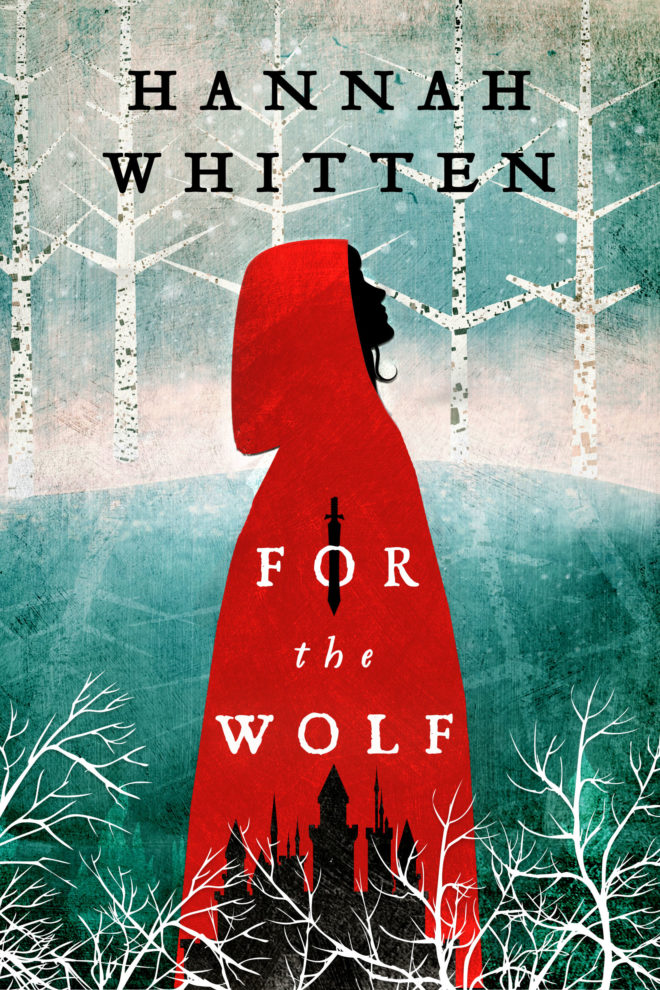
🐺 10. For the Wolf — Hannah Whitten
Spice: 🌶️🌶️ (2/5) Plot: 4.6/5 Characters: 4.8/5 Overall: ★★★★☆ (4.7/5)
GoodReads: ★★★☆☆ (3.59/5)
There’s something ancient about For the Wolf. It feels like it’s been told a thousand times around a thousand fires — but never quite like this.
Red, the second daughter born to a kingdom cursed by gods, is meant to be sacrificed to the monster in the woods. But when she enters the Wilderwood, what she finds is not a beast but a man — the Wolf — and a forest that’s as alive as it is haunted.
Hannah Whitten’s prose drips with moss and mythology. The story is gothic and sensory, full of devotion that burns slow and quiet: not a blaze, but a hearth.
“You were never meant to save the world. You were meant to save yourself.”
The spice is restrained but deeply emotional. Every brush of skin feels like an offering, every confession like a prayer.
This is a story of self-sacrifice turned self-love, of realizing that monsters are often just misunderstood gods.
Perfect for: for fans of Uprooted and Beauty and the Beast retellings who want grit instead of gloss in mid autumn.
Aesthetic: dark pine forests, red cloaks in snow, hands covered in ash and grace. Autumn at its finest.
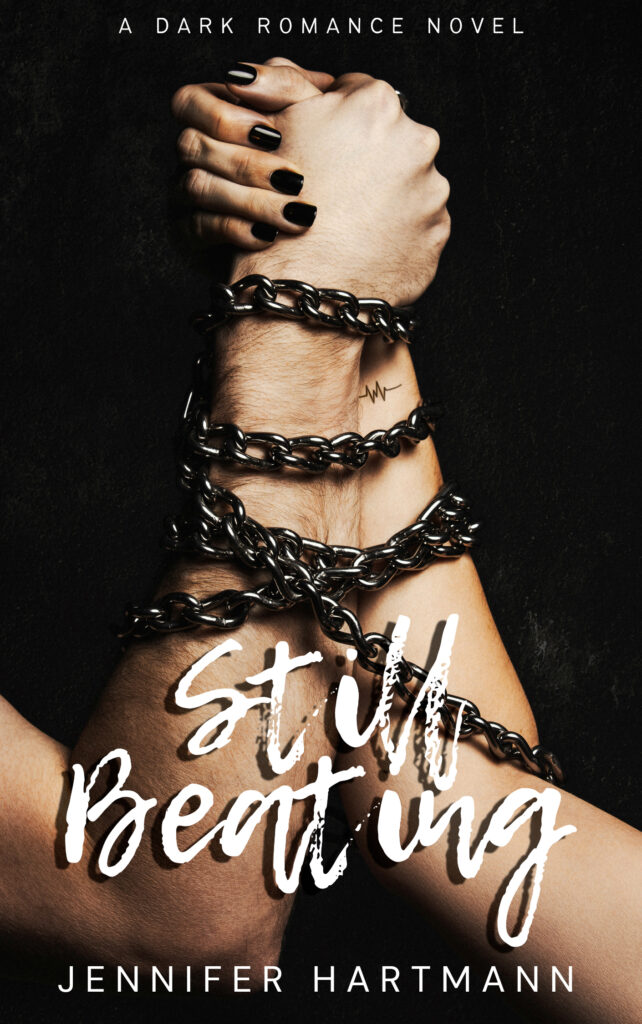
🌑 11. Still Beating — Jennifer Hartmann
Spice: 🌶️🌶️🌶️ (3/5) Plot: 4.9/5 Characters: 5/5 Overall: ★★★★★ (4.9/5)
GoodReads: ★★★★☆ (4.2/5)
There are love stories that hurt to read. Still Beating is one of them.
It begins in terror, descends into trauma, and somehow rises into something both tender and transcendent.
Cora and Dean are not supposed to fall in love. After being abducted and held captive together, they share a bond that defies language and logic. Jennifer Hartmann doesn’t shy away from the darkness, she drags it into the light and forces you to see it for what it is: the backdrop to resilience.
What makes this book remarkable isn’t its premise, but its compassion. The trauma is never eroticized or minimized; it’s honored. Cora and Dean’s connection is built from shared survival — not lust, not need, but the desperate understanding that sometimes the only way through hell is together.
“You don’t heal from something like that. You just learn to live in the after.”
The spice scenes are complex; sometimes uncomfortable, always purposeful. They’re about trust, about reclaiming ownership of one’s body, and about redefining intimacy after violation.
By the final page, love doesn’t feel like a reward. It feels like a quiet, defiant act of living.
Perfect for: readers who crave dark, emotional redemption stories that treat trauma with truth and tenderness and a dark autumn read.
Aesthetic: flickering candlelight on bruised skin, trembling hands that still choose to reach out, dawn after an endless night.
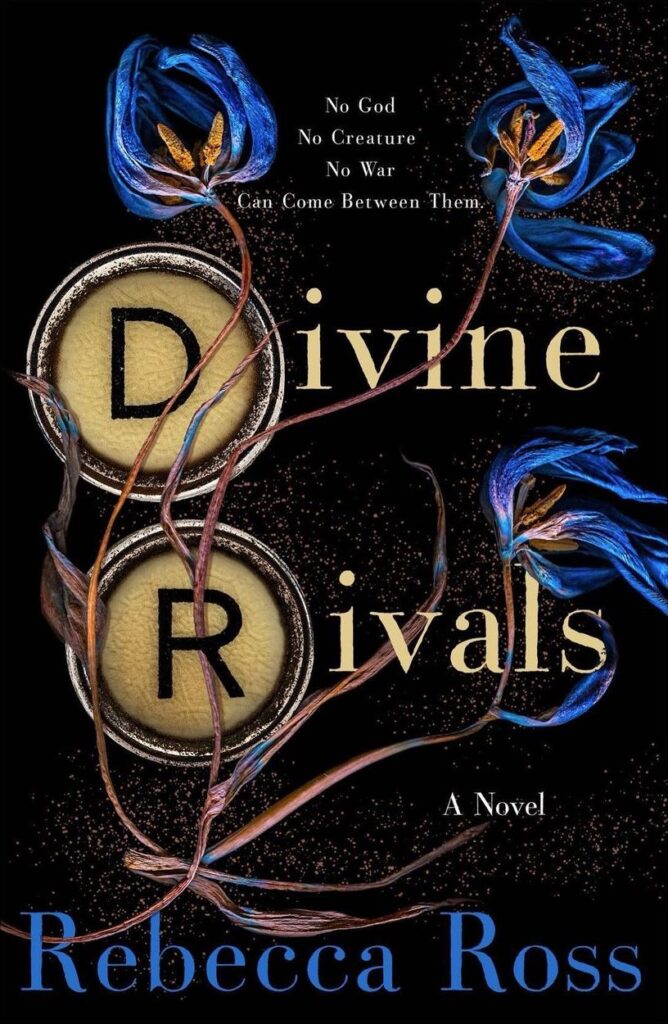
✉️ 12. Divine Rivals — Rebecca Ross
Spice: 🌶️🌶️ (2/5) Plot: 5/5 Characters: 5/5 Overall: ★★★★★ (4.9/5)
GoodReads: ★★★★☆ (4.15/5)
Some books don’t just tell a love story, they whisper it through time. Divine Rivals is one of the most luminous novels you’ll ever read about connection in the midst of chaos.
Set against the backdrop of a war between ancient gods, Rebecca Ross builds a world that feels both mythic and intimate. Iris Winnow, a young journalist, writes letters to her missing brother and unknowingly slips them into a magical typewriter that delivers her words to Roman Kitt — her rival at the paper, and the man who slowly learns her heart through ink and grief.
The letter motif is timeless, but Ross writes it with lyrical precision. Each sentence hums with the ache of being seen for the first time. The romance unfolds not through grand declarations, but through language — through the act of being understood.
“He was not a home she had to find. He was the place she had always belonged.”
The spice is soft, tender, and reverent; more emotional than physical. Every touch feels like punctuation after an unspoken confession. The intimacy here is communication — vulnerability transformed into devotion.
Ross’s prose feels like candlelight reflected in glass: delicate, deliberate, quietly divine. And though the war looms, it’s the personal stakes that break you — the kind of pain that comes from love that exists despite the world ending.
Perfect for: readers who love The Nightingale and Letters to Juliet but crave the shimmer of fantasy and myth and an autumn book.
Aesthetic: typewriter keys clicking under candlelight, ink-stained fingers, love letters written in trenches and stars.
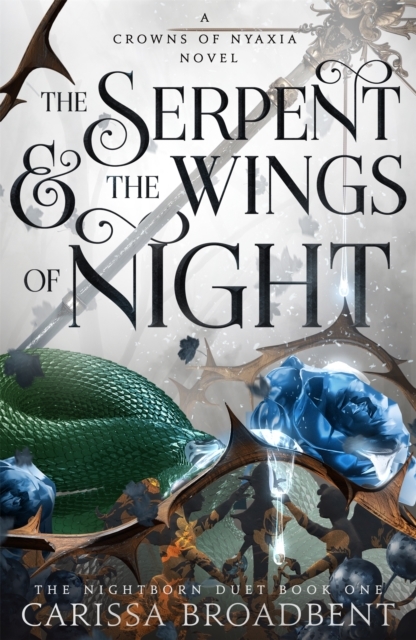
🕯️ 13. The Serpent and the Wings of Night — Carissa Broadbent
Spice: 🌶️🌶️🌶️🌶️ (4/5) Plot: 4.8/5 Characters: 4.9/5 Overall: ★★★★☆ (4.8/5)
GoodReads: ★★★★☆ (4.27/5)
Carissa Broadbent took everything readers love about romantic fantasy — danger, loyalty, passion — and distilled it into something visceral and soul-deep. The Serpent and the Wings of Night is brutal and breathtaking all at once.
Oraya, the adopted human daughter of the vampire king, enters a deadly competition to prove her worth in a world built on blood and power. Enter Raihn… her rival, her equal, her undoing. Their alliance is fragile, forged through necessity but tempered in the heat of understanding.
Broadbent’s prose is cinematic and deliberate. Every fight, every glance, every whispered vow carries emotional weight. The violence and romance are mirror images — both expressions of survival, both proof that love and pain often coexist.
“He looked at me like I was the last light in a dying world.”
The spice is heavy but purposeful. It’s not written for shock; it’s written for transcendence. It’s desire that feels like recognition. Every intimate moment carries the tension of risk, the ache of choosing love when it could destroy you.
The worldbuilding is rich and atmospheric, full of gothic tones and moral ambiguity, but it’s Oraya’s humanity that anchors the story. Hers is a tale of learning that vulnerability doesn’t make you weak — it makes you real.
Perfect for: readers who crave Hunger Games brutality blended with A Court of Thorns and Roses yearning but want the emotional maturity of The Poppy War.
Aesthetic: blood on moonlit marble, whispered oaths in the dark, love blooming where it shouldn’t survive. An autumn read for every occasion.
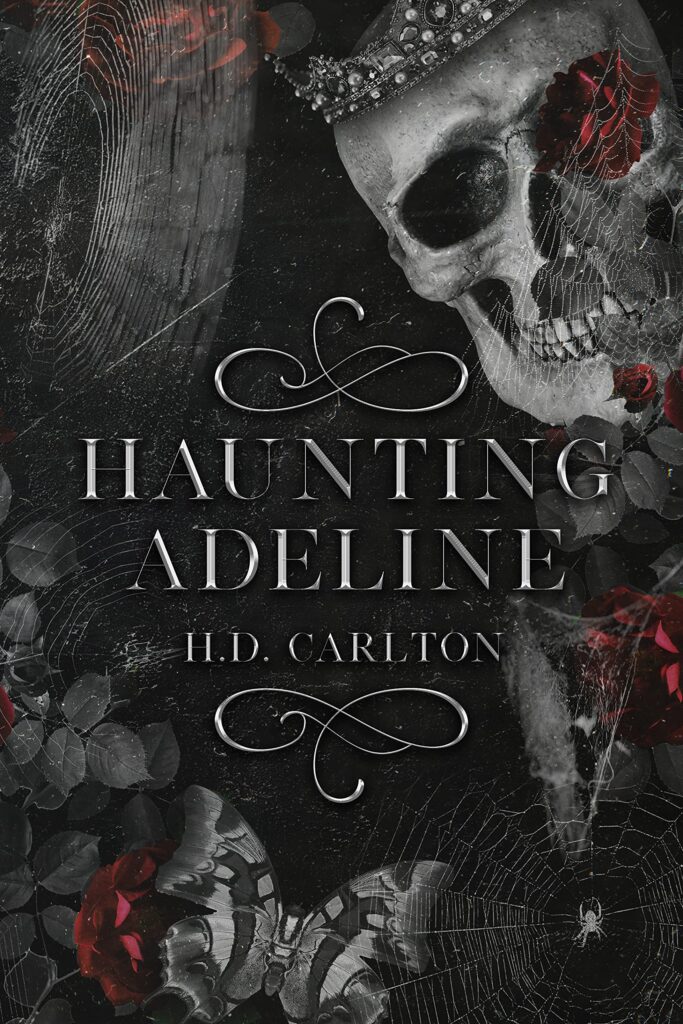
🌹 14. Haunting Adeline — H.D. Carlton
Spice: 🌶️🌶️🌶️🌶️🌶️ (5/5) Plot: 4.3/5 Characters: 4.6/5 Overall: ★★★★☆ (4.5/5)
GoodReads: ★★★★☆ (3.94/5)
Not every love story is meant to be soft. Some exist to explore the edges — to ask where love ends and obsession begins. Haunting Adeline is that story: unapologetically dark, hauntingly sensual, and impossible to look away from.
Adeline Reilly, an author who retreats to her grandmother’s eerie estate, discovers her home — and her life — is being watched. What unfolds between her and Zade, the man behind the shadows, is not a traditional romance but a psychological labyrinth.
Carlton’s prose is gothic poetry. Every scene drips with atmosphere: candlelight flickering on cracked mirrors, the hum of dread beneath devotion. This is not a book that offers comfort — it demands confrontation.
“You can love someone and still be terrified of them.”
The spice here is intense — unflinching, at times harrowing — but deliberately so. Carlton uses the body as a metaphor for control and release. Love, in this story, is reclamation through chaos — not forgiveness, not purity, but survival through intimacy.
And beneath the darkness lies an unyielding tenderness. Zade and Adeline are monsters molded by trauma; their connection is not redemption, but recognition. This book doesn’t ask if love can save you — it asks if you can still choose love after everything burns.
Perfect for: readers who want their dark romance to mean something — who want discomfort, beauty, and honesty all in one breath. Autumn with ghost in all its glory.
Aesthetic: shattered chandeliers, whispered apologies, ghosts of pleasure and pain intertwined.
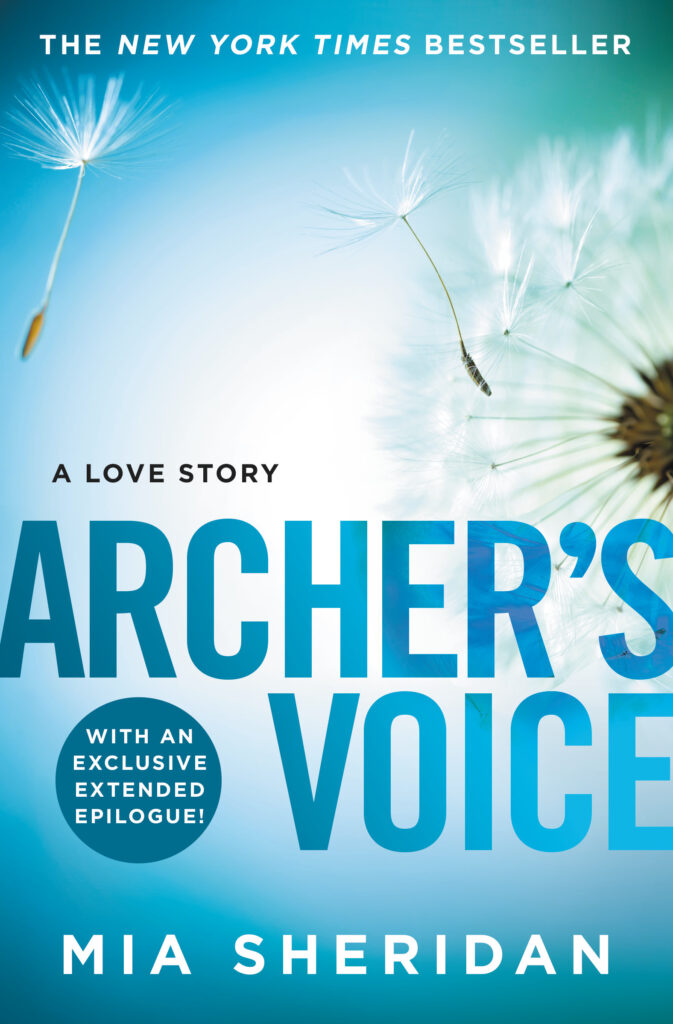
💛 15. Archer’s Voice — Mia Sheridan
Spice: 🌶️🌶️🌶️ (3/5) Plot: 4.8/5 Characters: 5/5 Overall: ★★★★★ (4.9/5)
GoodReads: ★★★★☆ (4.17/5)
If the earlier books in this series taught you that love can survive darkness, Archer’s Voice teaches you that love can thrive in silence. It’s the kind of story that holds your hand while your heart heals.
Bree Prescott flees a past she can’t bear to face, settling in a small lakeside town that feels like a pause in time. There she meets Archer Hale, a man who cannot speak, whose quiet strength feels like gravity. Their romance unfolds like dawn — hesitant, radiant, and impossibly gentle.
Mia Sheridan writes emotion the way songwriters write melody — each word hums. There’s no performative angst here; the pain is real, the healing earned. The chemistry between Bree and Archer is slow and profound — built not on grand gestures but on patience.
“Sometimes love speaks loudest in the quiet.”
The spice is tender, full of reverence. When intimacy arrives, it’s a culmination of safety — the moment trust transforms into touch. Every scene feels sacred, painted with light and warmth instead of heat alone.
What makes this book unforgettable is its message: that broken people aren’t projects, and silence doesn’t mean emptiness. Love doesn’t fix Archer, it frees him.
Perfect for: readers who crave redemptive love stories, trauma recovery, and the beauty of communication beyond words.
Aesthetic: morning light through sheer curtains, handwritten notes, peace after a lifetime of noise. The cozy side of autumn
“Because Love Always Leaves a Trace, Especially in Autumn”
Autumn has a way of softening everything. The air grows heavy with memory, the light turns golden and forgiving, and we begin to crave stories that remind us what it means to feel deeply — even when it hurts.
These fifteen books aren’t just romances. They’re acts of remembrance. Each one whispers something different about what it means to love — how it heals, how it breaks, how it changes shape and still endures. Some of these stories burn bright and fast, others flicker softly like the last candle in the room. But every single one of them carries that same truth: love, in all its forms, leaves an imprint.
From the haunted devotion of Haunting Adeline to the redemptive quiet of Archer’s Voice, from the forest-dark sacrifice in For the Wolf to the lettered longing of Divine Rivals, every story here shows a different kind of courage. The courage to be seen. The courage to begin again. The courage to keep choosing connection even after the world — or your own heart — has come undone.
Love doesn’t always save you. Sometimes it simply sits beside you in the dark and refuses to leave.
It listens. It learns. It forgives.
That’s what this collection is about — not perfect endings, but honest ones.
These are stories for when you need to believe that even broken things can still be beautiful; for when you need to remember that healing is never linear; for when you crave proof that love, in all its messy, painful, transformative glory, is still the bravest thing we do.
So light a candle. Pour something warm. Sit with your favorite kind of silence — the kind that feels full, not empty.
And open any one of these books.
Because somewhere within their pages, someone like you is finding their way back to love.
And that’s what autumn is for: the remembering, the rediscovering, and the gentle, endless act of falling again.
Leave a Reply